





news
The Impact of All Metal Stamping on Construction Material Durability
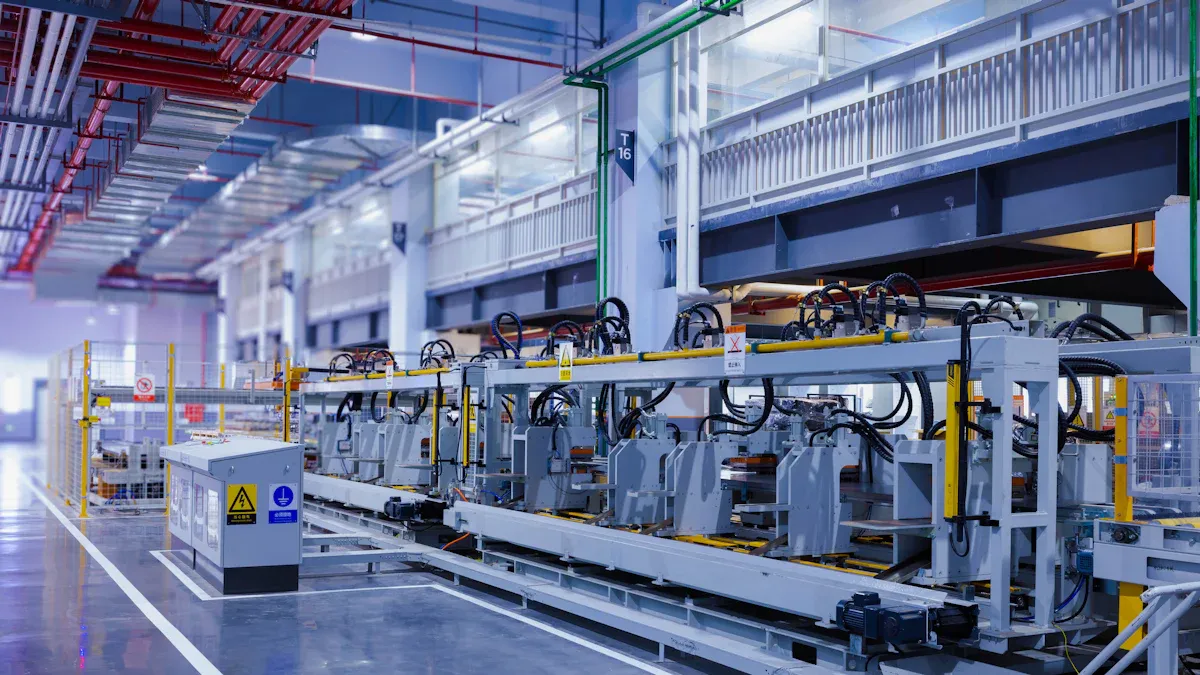
I believe that all metal stamping plays a crucial role in improving the durability of construction materials. The techniques involved in all metal stamping enhance both strength and longevity. As a construction professional, I know how vital it is to understand these methods. They not only ensure better performance but also contribute to the overall safety and reliability of our structures.
Key Takeaways
- All metal stamping enhances the strength and longevity of construction materials, making them more durable and reliable.
- Precision engineering in metal stamping ensures high-quality components that fit together seamlessly, improving overall structural integrity.
- Coating techniques like galvanization and powder coating significantly boost corrosion resistance, extending the lifespan of construction materials.
- Heat treatment methods, such as quenching and annealing, improve the toughness and wear resistance of metals, crucial for construction applications.
- Metal stamping offers cost savings and efficiency in high-volume production, making it a preferred choice over traditional manufacturing methods.
Overview of All Metal Stamping Techniques
Definition and Process
All metal stamping is a manufacturing process that shapes metal sheets into desired forms. I find it fascinating how this technique involves several key steps:
- Design & Engineering: This initial phase focuses on creating detailed designs that meet specific requirements.
- Tooling & Die Making: Here, specialized tools and dies are crafted to shape the metal accurately.
- Material Selection: Choosing the right metal is crucial for achieving the desired strength and durability.
- Metal Stamping: This is where the actual shaping occurs, using a stamping press to cut, punch, and form the metal.
- Post-Processing: After stamping, components may undergo additional treatments to enhance their properties.
- Inspection & Quality Control: Finally, rigorous checks ensure that each part meets the required standards.
This process sets all metal stamping apart from other metal forming techniques. Unlike broader methods that may involve bending or rolling, metal stamping focuses on high-speed, high-volume production. This efficiency is vital in construction, where time and quality are paramount.
Importance in Construction
I believe that all metal stamping significantly enhances the performance of construction materials. The components produced through this process are designed to endure extreme conditions. They withstand harsh temperatures, impacts, and vibrations, making them ideal for demanding environments.
Moreover, metal stamping improves structural reliability. It reduces waste during production and ensures that parts meet tight tolerances. This precision leads to better installation accuracy, which ultimately benefits construction timelines. I have seen firsthand how these advantages translate into stronger, more durable structures that can handle heavy loads.
In my experience, using all metal stamping techniques not only boosts the quality of construction materials but also contributes to safer and more reliable buildings.
Coating Techniques in All Metal Stamping
Coating techniques play a vital role in enhancing the durability of materials produced through all metal stamping. I have seen how the right coatings can significantly improve the performance and lifespan of construction components. Let’s explore the various types of coatings and their benefits.
Types of Coatings
In my experience, several coating types are commonly used in all metal stamping for construction materials. Here’s a quick overview:
- Paint Coatings: These include options like epoxy, polyurethane, acrylic, and alkyd. They provide a protective layer that can resist environmental factors.
- Galvanization: This process involves applying a zinc coating through methods like hot-dip galvanization or electrogalvanization. It offers excellent corrosion resistance.
- Powder Coating: This technique uses a dry powder that is applied electrostatically and then cured under heat. It creates a hard finish that is tougher than conventional paint.
- Anodizing: Primarily used for aluminum, anodizing enhances the natural oxide layer, improving corrosion resistance and surface hardness.
Benefits of Coating for Durability
The benefits of these coatings are substantial. For instance, coatings like anodizing and galvanization significantly enhance corrosion resistance. I have noticed that components treated with these coatings can withstand harsh environments much better than untreated materials.
To illustrate the effectiveness of different coating techniques, consider the following table:
| Coating Technique | Description | Corrosion Resistance Effect |
|---|---|---|
| Thermal Spray Coatings | Propel molten materials onto sheet metal using techniques like plasma spraying. | Superior wear resistance and enhanced corrosion resistance in saline environments due to amorphous structure. |
| Anodizing | Electrochemically enhances the oxide layer on the surface. | Improves corrosion resistance by thickening the natural oxide layer. |
| Electroplating | Deposits a layer of corrosion-resistant metal onto the surface. | Provides enhanced protection against corrosion through a sacrificial layer. |
I have found that coatings not only protect against corrosion but also improve the overall aesthetic appeal of the materials. For example, powder coatings come in various colors and finishes, allowing for customization while providing durability.
Heat Treatment Methods in All Metal Stamping
Heat treatment methods are essential in enhancing the durability and performance of materials produced through all metal stamping. I have seen firsthand how these processes can transform the properties of metals, making them more suitable for construction applications. Let’s dive into the various types of heat treatments and their significant impact on material strength.
Types of Heat Treatments
Several heat treatment methods are commonly applied during all metal stamping. Each method serves a unique purpose and can dramatically alter the characteristics of the metal. Here’s a table summarizing the primary types of heat treatments I often encounter:
| Heat Treatment Type | Process Description | Purpose Description |
|---|---|---|
| Annealing | Heating to a specific temperature, holding, then slowly cooling. | Relieves internal stresses, softens material, promotes uniform grain structure. |
| Normalizing | Heating to a specific temperature, then cooling in still air. | Improves grain structure uniformity, enhances mechanical properties, refines microstructure. |
| Quenching | Rapid cooling in a medium like water or oil. | Increases hardness by forming martensite, commonly used for steels and alloys. |
| Tempering | Reheating quenched material to a lower temperature, then controlled cooling. | Reduces brittleness from quenching, imparts toughness, refines microstructure. |
| Case Hardening | Heating the surface and introducing carbon or nitrogen. | Improves wear resistance, hardness, and fatigue strength while maintaining a tougher core. |
| Induction Hardening | Electromagnetic induction heats specific areas, followed by quenching. | Selectively hardens specific regions for wear resistance in critical areas. |
| Flame Hardening | Heating the surface with an oxy-acetylene flame, then quenching. | Similar to induction hardening, used for selective hardening to enhance wear resistance. |
| Precipitation Hardening | Heating, controlled cooling, and aging process. | Enhances strength and hardness of certain alloys by promoting precipitate formation in the microstructure. |
I have found that choosing the right heat treatment method can significantly affect the performance of construction materials. For example, quenching increases hardness, making metals more resistant to wear and tear. On the other hand, annealing helps reduce internal stresses, which is crucial for maintaining the integrity of components under load.
Impact on Material Strength
The impact of heat treatment on material strength cannot be overstated. I have observed that heat treatment processes like annealing and tempering improve toughness, strength, and wear resistance. These enhancements are critical for construction materials that face cyclic loads and harsh environments.
For instance, heat treatment significantly increases the tensile strength of stamped construction metals. In my experience, materials like 15-5 PH stainless steel show remarkable improvements after undergoing heat treatment. Most samples exhibit increased tensile strength, except for specific conditions where variations occur.
Moreover, heat treatment processes enhance fatigue resistance. Annealing specifically helps reduce internal stresses and improves ductility, making materials more durable and resistant to fatigue. This is vital for construction applications where materials must endure repeated loading and unloading.
Precision Engineering in All Metal Stamping
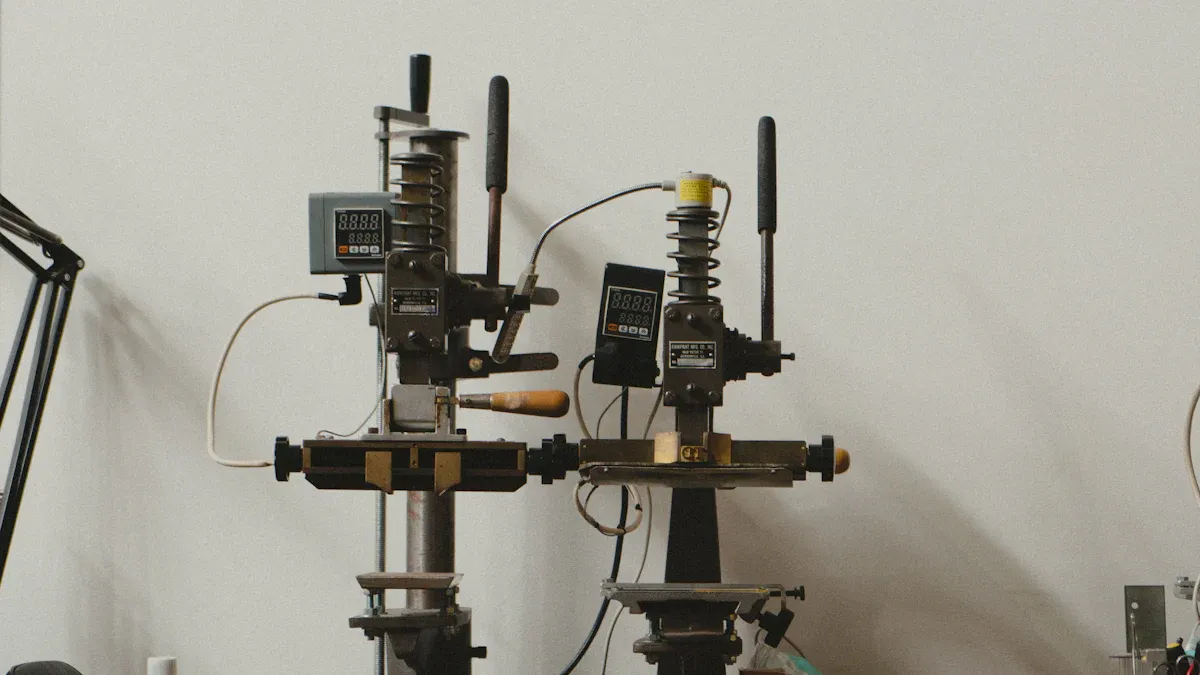
Role of Precision in Durability
Precision engineering is crucial in all metal stamping. I have seen how accurate stamping leads to high-quality products that meet strict specifications. When parts are defect-free and have uniform dimensions, they perform better in construction applications. This precision ensures that components fit together seamlessly, enhancing the overall durability of structures.
Several techniques contribute to this precision:
- Progressive Die Stamping: This method breaks down the stamping process into stages, ensuring high accuracy as parts move through each station.
- Transfer Die Stamping: It uses a mechanical transport system to move parts, allowing for complex shapes without being attached to a strip.
- Servo Press Technology: This offers precise control over speed and force, enhancing accuracy and repeatability in complex applications.
These techniques not only improve the quality of stamped components but also optimize material utilization, reducing waste and costs. I have found that consistent tolerances are vital for the functionality of stamped parts, especially in demanding construction environments.
Case Studies of Successful Applications
I have witnessed numerous successful applications of precision engineering in all metal stamping that demonstrate its impact on material performance. Here are a few notable examples:
- Structural Metal Components: High precision stamping for steel beams and support brackets using a 700-ton Aida servo press has led to enhanced load-bearing capabilities.
- Construction Equipment Components: Durable parts like chassis and reinforcements produced with a 330-ton Aida servo press have shown remarkable resilience under stress.
- Large-Scale Infrastructure Metal Stamping: Components for bridges and highways, such as girders and columns, stamped with high-tonnage presses, have improved structural integrity.
These examples illustrate how precision in all metal stamping directly contributes to the durability and reliability of construction materials. I believe that adopting these advanced techniques can lead to better construction practices and outcomes.
Comparison of All Metal Stamping with Other Manufacturing Techniques
Metal Stamping vs. Traditional Methods
When I compare all metal stamping to traditional manufacturing methods, the differences in durability stand out. Stamped parts maintain the strength of the base material, ensuring reliability in the final product. Processes like deep drawing and embossing add additional structural integrity to components, enhancing their durability. Here’s a quick overview of how these methods stack up:
| Evidence | Description |
|---|---|
| Stamped parts maintain the strength of the base material | This ensures durability and reliability in the final product. |
| Processes like deep drawing and embossing | These processes add additional structural integrity to components, enhancing their durability. |
In my experience, traditional methods often struggle to match the durability offered by all metal stamping. While casting and machining can produce intricate designs, they may not provide the same level of strength and longevity.
Long-term Benefits of Metal Stamping
The long-term benefits of all metal stamping are compelling. I have seen how this technique can lead to significant cost savings over time. For instance, metal stamping can be more cost-effective than casting for high-volume production of thin materials. Custom metal stamping requires only a single die, which reduces tooling costs compared to other methods.
Here’s a breakdown of the cost factors involved:
| Manufacturing Technique | Cost Factors | Advantages | Disadvantages |
|---|---|---|---|
| Metal Stamping | Custom die creation, material type, production volume | Lower per-unit cost at high volumes, faster production rates | Upfront die costs, less suitable for complex large parts |
| Casting | Higher material and energy costs, slower production | Ideal for intricate heavy parts | Higher costs, slower production times |
Additionally, advancements in metal stamping have improved its environmental impact. Recent innovations have introduced precision engineering and material optimization, which reduce waste and enhance sustainability. I appreciate how the use of biobased and non-toxic lubricants has improved the environmental safety of metal stamping processes.
All metal stamping techniques play a vital role in enhancing the durability of construction materials. I have seen how these methods outperform traditional manufacturing processes like casting and forging. For instance, metal stamping produces large volumes of parts with high precision and repeatability. This efficiency leads to significant cost savings, especially in large-scale production.
Moreover, innovations like tailor-welded blanking improve material utilization by adding material only where necessary. As I look to the future, I believe that the metal stamping market will continue to grow, driven by increasing demand from the construction sector. Emphasizing these techniques can lead to better construction practices and outcomes, ensuring that our structures remain strong and reliable for years to come.