





news
The Critical Role of Car Seat Brackets in Vehicle Safety
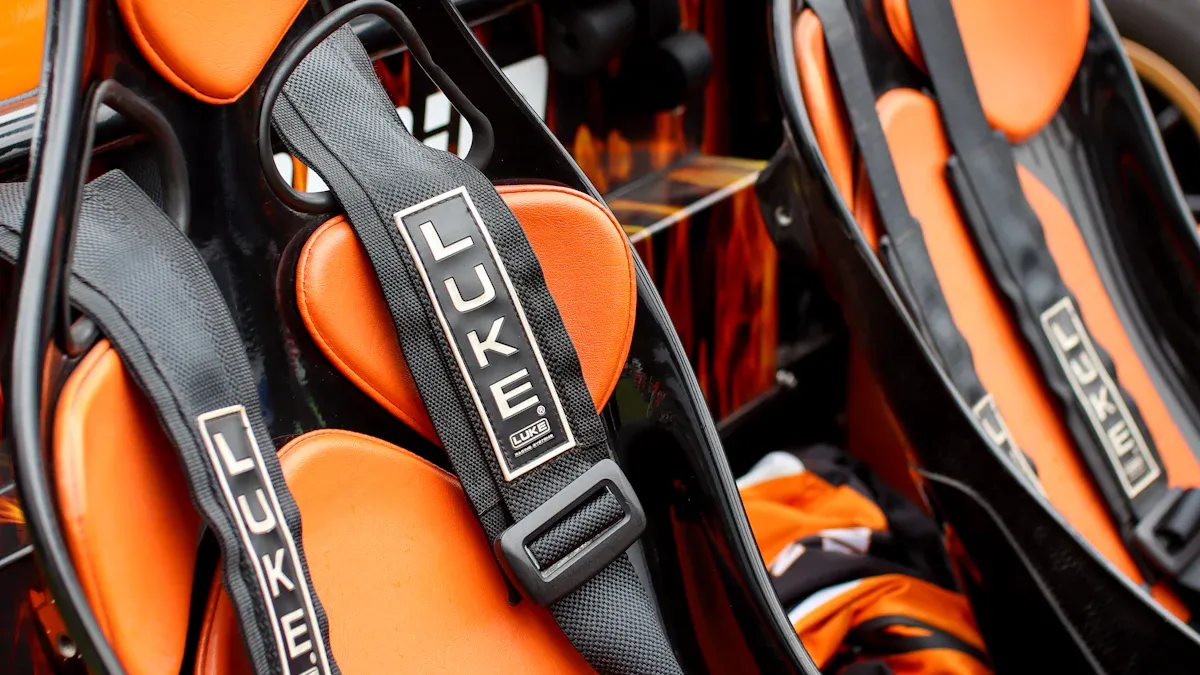
Car seat brackets are essential for securing seats in vehicles. I believe they significantly impact both safety and comfort. Without proper support, seats can shift during a crash, increasing the risk of injury. By understanding the importance of car seat brackets, we can make better choices for our vehicle safety. Prioritizing the right brackets ensures our loved ones travel safely.
Key Takeaways
- Car seat brackets are crucial for securing seats and enhancing safety during travel. Proper installation can significantly reduce the risk of injury in accidents.
- Understanding the types of car seat brackets helps in making informed choices. Different materials offer various strengths, affecting durability and safety.
- Regular maintenance of car seat brackets is essential. Simple tasks like lubrication and cleaning can ensure they function effectively and safely.
- Avoid common installation mistakes to enhance safety. Proper harness tension and secure fit are vital for protecting passengers during a crash.
- Investing in quality car seat brackets is a commitment to safety. Proper use can reduce the risk of serious injury for children by up to 45%.
Function of Car Seat Brackets
Car seat brackets serve a vital function in vehicle safety by securing seats firmly in place. I often think about how crucial it is for these brackets to perform their job effectively. When I buckle up, I want to know that my seat will stay put, especially during sudden stops or accidents.
How They Secure Seats
Car seat brackets utilize different mechanisms to ensure that seats remain stable. Here are some common methods:
- Rigid LATCH: This system connects directly to the vehicle’s LATCH anchorage. It features a fixed bracket that guarantees a tight fit. I appreciate how this minimizes movement during a crash, enhancing safety.
- Flexible LATCH: This option uses webbing with connectors that must be tightened. While it can be effective, I’ve noticed that it sometimes leads to variability in how securely the car seat is installed.
- Installation Variability: Different vehicle models may have varying access to LATCH anchors. This can affect how easily I can install a car seat, which is something I always consider when choosing a vehicle.
The most common types of car seat brackets are rigid metal frames, typically made from steel or aluminum. These brackets are rectangular and feature strategically placed holes to align with a vehicle's interior mounting scheme. They serve as a fixed frame to which the seat can attach, often incorporating a slider mechanism for seat adjustment.
Types of Car Seat Brackets
Understanding the types of car seat brackets can help me make informed choices. Here’s a quick overview of the materials and their properties:
| Property | Q235 Cold-Rolled Steel | Aluminum | Stainless Steel |
|---|---|---|---|
| Yield Strength | 235 MPa | Lower | Higher |
| Dimensional Accuracy | High | Moderate | High |
| Fatigue Resistance | Excellent | Moderate | Good |
| Corrosion Resistance | Moderate (with treatment) | High | Excellent |
| Cost-Effectiveness | High | Moderate | Low |
Each material has its strengths and weaknesses. For instance, while aluminum is lightweight and resistant to corrosion, steel offers superior strength. I always weigh these factors when considering the durability and safety of car seat brackets.
Moreover, car seat brackets must meet specific safety standards according to automotive regulations. Here’s a brief overview of some key requirements:
| Section | Description |
|---|---|
| S5.1 | Dynamic performance requirements for child restraint systems, ensuring integrity during testing. |
| S5.3 | Installation requirements for add-on child restraints. |
| S5.4 | Performance requirements for belts, belt buckles, and belt webbing. |
| S5.2.2 | Torso impact protection requirements for child restraint systems. |
These standards ensure that car seat brackets provide the necessary protection during an accident. I find it reassuring to know that manufacturers must adhere to these guidelines.
Car Seat Brackets' Role in Safety
Impact on Child Safety
When it comes to child safety in vehicles, I can’t stress enough how crucial car seat brackets are. They play a significant role in securing child safety seats, which are designed to protect our little ones during travel. Research shows that using belt-positioning booster seats (BPB) can significantly reduce head injuries. In fact, these seats help control the upper torso and head movement, minimizing the risk of injury during collisions.
Here’s a quick look at the effectiveness of different restraint types:
| Restraint Type | Injury Rate (%) | Odds Ratio (OR) | 95% Confidence Interval (CI) |
|---|---|---|---|
| Booster Seat | 11 | 0.709 | 0.675 - 0.745 |
| Seat Belt Alone | 15 | N/A | N/A |
From this data, I see that the use of booster seats is associated with a 29% reduction in the odds of any injury compared to using seat belts alone. This statistic reinforces my belief that investing in a quality car seat bracket is essential for ensuring my child's safety on the road.
Preventing Movement During Accidents
I often think about how unsettling it is to imagine a sudden stop or collision while driving. Car seat brackets are designed to prevent movement during such events, which is vital for occupant safety. A study on the Vehicle Seat Surface Displacement Control (VSSDC) system highlights how effective these systems can be. The VSSDC system achieved an average reduction of up to 25% in whole-body vibration (WBV), particularly for low-frequency vibrations. This suggests that controlling seat surface displacement can significantly enhance occupant comfort and safety.
By ensuring that car seat brackets minimize displacement, I feel more secure knowing that my seat—and my loved ones—will remain stable during unexpected situations. This stability not only protects against injury but also contributes to a more comfortable ride.
Enhancing Comfort with Car Seat Brackets
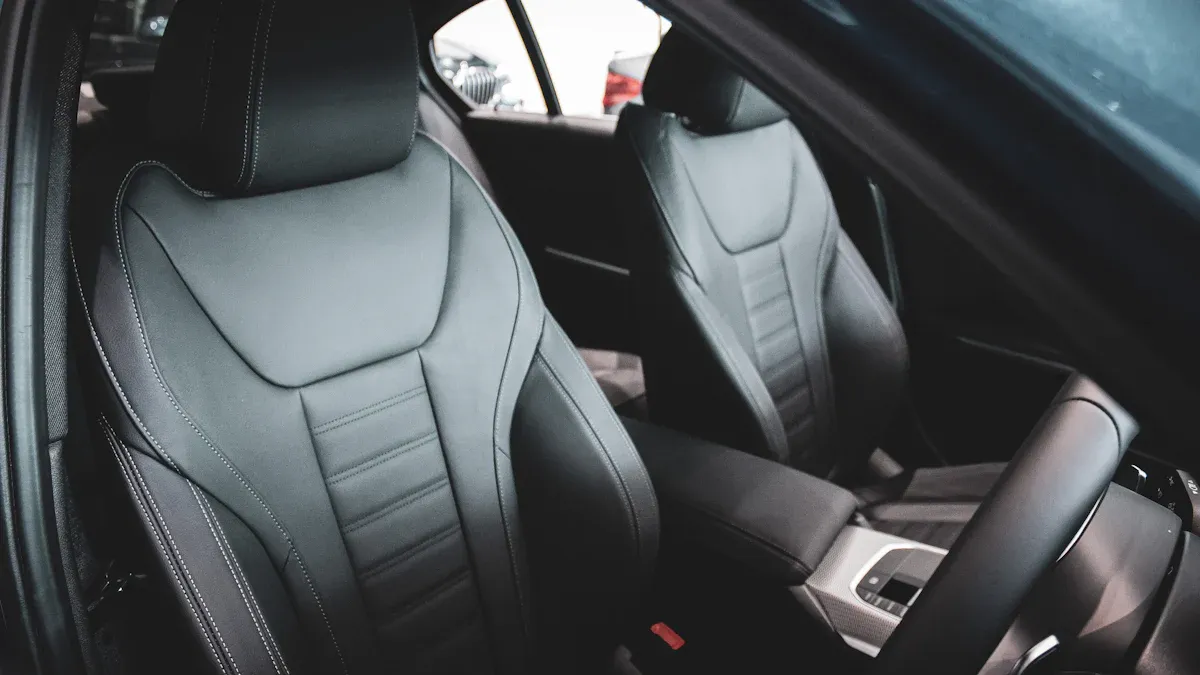
Comfort in a vehicle is essential for enjoyable travel, and car seat brackets play a significant role in achieving that comfort. I often find myself adjusting my seat to find the perfect position, and I appreciate how car seat brackets facilitate this process.
Adjustability Features
One of the standout features of modern car seat brackets is their adjustability. For instance, the Sport Seat Plus (2-way) recliner brackets allow me to adjust the seat height and recline angle. By raising the front of the seat by about an inch, I experience better lower back support and improved leg support, especially on long drives. This adjustment also increases headroom, making my time in the car much more comfortable.
The flexibility of the subframe in car seat brackets also contributes to ride comfort. It decreases vertical acceleration, which reduces harshness during travel. Here’s a quick look at how different aspects of adjustability impact comfort:
| Evidence Description | Impact on Comfort Level |
|---|---|
| Flexibility of the subframe decreases vertical acceleration of the seat | Enhances ride comfort by reducing harshness |
| Mitigates downward vertical force, reducing peak vertical acceleration | Contributes positively to passenger comfort |
Ergonomic Design Considerations
Ergonomic design in car seat brackets is another crucial factor that enhances comfort. I’ve noticed that when I adjust my seat to fit my body dimensions, my posture improves significantly. This design allows for personal modifications, which can reduce the need for extra cushions. Here are some key benefits of ergonomic design:
- It allows adjustments that cater to individual body dimensions, leading to better posture.
- Adjusting the height of the seat can alleviate discomfort and enhance the overall driving experience.
- A well-designed seat supports adequate seating space, which is essential for comfort during travel.
With these features, I feel more relaxed and secure while driving. Investing in quality car seat brackets not only enhances comfort but also makes every journey more enjoyable.
Best Practices for Car Seat Bracket Installation
Installing car seat brackets correctly is crucial for ensuring safety. I always take the time to follow best practices to maximize the effectiveness of the installation. Here’s a step-by-step guide that I find helpful:
Step-by-Step Installation Guide
- Read the manual: I always start by reading both the car seat and vehicle manuals. This helps me understand the specific requirements for installation.
- Utilize the top tether: For forward-facing car seats, I make sure to use the top tether. This feature prevents tipping and protects my child during a crash.
- Check for twisted straps: I ensure that all straps are untwisted. Twisted straps can compromise the integrity of the installation.
- Make sure the seat doesn’t move: After installation, I check that the car seat doesn’t move more than an inch at the belt path. This is a key indicator of a secure installation.
To make the installation process smoother, I gather the necessary tools and materials beforehand. Here’s what I typically need:
- Car seat manual
- Vehicle manual
- Locking clip (if the LATCH system is not available)
- Cargo hooks (for anchoring points)
Common Mistakes to Avoid
Even with the best intentions, I’ve noticed that many people make common mistakes during installation. Here are some pitfalls to watch out for:
- Failing to recognize signs of an unstable car seat base, such as excessive movement or visible gaps.
- Ignoring proper harness tension, which can lead to loose harness straps and increased risk during a crash.
- Improper tightness of the installation, allowing more than 1 inch of movement.
- Incorrect positioning of shoulder straps, which should be at or below the baby's shoulders for rear-facing seats.
- Not using the top tether strap, which enhances the safety of the car seat.
An improperly secured car seat can shift in the event of an accident, reducing its effectiveness. A loosely installed car seat can easily tip over or shift dramatically in a crash, increasing the risk of injury. By avoiding these mistakes, I can ensure that my loved ones are safer on the road.
Maintenance and Inspection of Car Seat Brackets
Maintaining and inspecting car seat brackets is essential for ensuring safety. I make it a habit to check my car seat brackets regularly. This practice gives me peace of mind, knowing that my loved ones are secure during travel.
Regular Checks for Safety
I recommend performing regular checks to keep car seat brackets in top condition. Here are some maintenance tasks I follow:
- Lubricate car seat rails: I apply lubricant to the rails to ensure smooth operation. This step prevents issues that could compromise safety.
- Frequency of lubrication: I usually lubricate every 12 to 24 months. If I notice any binding or hear noise, I take action immediately.
- Vacuum under seats: I regularly clean under the seats to remove debris. This simple task helps maintain the function of the seat rails.
By following these steps, I can ensure that my car seat brackets remain reliable and effective.
When to Replace Brackets
Knowing when to replace car seat brackets is just as important as maintenance. I keep an eye out for specific signs that indicate it’s time for a replacement:
- Visible damage: If I notice cracks or bends in the brackets, I replace them immediately. Damaged brackets can lead to unsafe conditions.
- Excessive wear: Over time, wear and tear can affect the integrity of the brackets. If they show signs of significant wear, I don’t hesitate to get new ones.
- Changes in fit: If my car seat no longer fits securely in the brackets, it’s a clear sign that replacement is necessary. A secure fit is crucial for safety.
By staying vigilant about maintenance and knowing when to replace car seat brackets, I can significantly reduce the risk of injury for everyone in my vehicle.
Car seat brackets are vital for both safety and comfort in vehicles. I’ve learned that a correctly used child seat can reduce the risk of death by up to 71% for children ages 4-8. Additionally, the risk of serious injury can drop by 45% for the same age group. However, I also recognize that up to 70% of car seats are installed incorrectly, which compromises their effectiveness.
By prioritizing proper installation and maintenance, I can significantly reduce the risk of injury. Awareness of car seat brackets' importance leads to safer travel experiences for all occupants.
| Safety System | Contribution to Safety |
|---|---|
| ISOFIX | Provides a standardized method for securing child safety seats, reducing the risk of improper installation. |
| LATCH | Ensures compatibility with seat belts and anchors, enhancing the secure fit of child safety seats. |
Investing in quality car seat brackets is not just a choice; it’s a commitment to safety for everyone on the road. ??