





news
Skid Plate Replacement: Are You Experiencing These Issues?
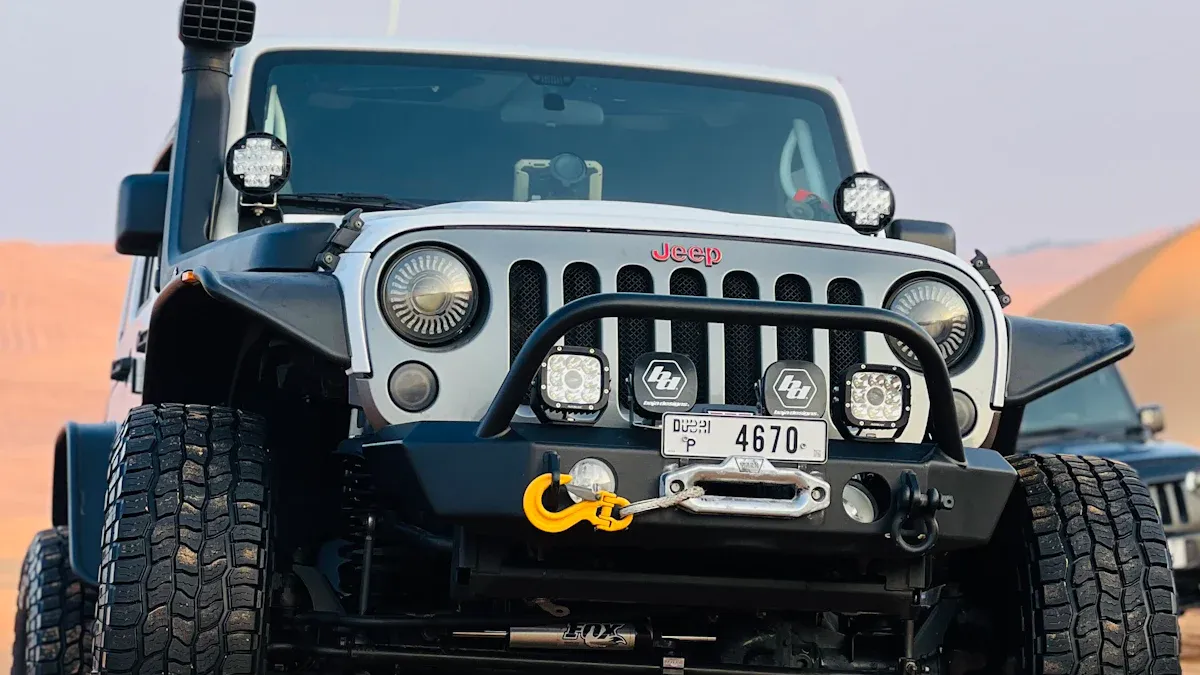
Identifying when to replace a skid plate can save you from costly repairs. Many people mistakenly view a skid plate as a luxury upgrade. In reality, it protects your vehicle from hidden threats on rough roads. Here are some signs that indicate a skid plate replacement may be necessary:
- Unusual noises from beneath your vehicle.
- Visible cracks or dents on the plate.
- Decreased performance on uneven terrain.
Stay vigilant. Regular checks can prevent bigger issues down the road.
Key Takeaways
- Listen for unusual noises from your vehicle. Rattling or popping sounds may indicate a loose or damaged skid plate that needs attention.
- Inspect your skid plate regularly for visible damage. Look for cracks, dents, or rust that can compromise its effectiveness.
- Address performance issues promptly. A damaged skid plate can lead to handling problems, increased repair costs, and reduced fuel efficiency.
- Replace your skid plate on time to prevent costly repairs. Timely replacement protects vital components and enhances your vehicle's longevity.
- Make regular inspections a habit. Check your skid plate after impacts and ensure it remains clean and properly installed.
Unusual Noises Indicating Skid Plate Replacement
When I hear unusual noises coming from beneath my vehicle, I pay close attention. These sounds often signal that my skid plate may need replacement. Here are some common noises that I’ve encountered and what they might mean:
-
Rattling Sounds: A user once shared that their skid plate rattled quite a bit during startup and acceleration. They had ensured it was tightened properly, yet the noise persisted. This could indicate that the skid plate is loose or damaged.
-
Popping Noises: Another driver reported a 'pop' sound from their RCI skid plate. They resolved the issue by adding rubber material to prevent contact with the cross member. This suggests that improper installation or wear can lead to noise issues.
-
Consistent Rattling: I’ve also experienced rattling noises from a newly installed skid plate. It happened during startup and acceleration, and I suspected it might be related to the exhaust. This kind of noise can be a warning sign that something is amiss.
Ignoring these noises can lead to serious consequences. Skid plates protect the vehicle's undercarriage from damage. If I overlook these sounds, I risk further deterioration of the skid plate. Unattended damage can escalate, resulting in more costly repairs. Moreover, safety risks increase as my vehicle becomes more vulnerable to impacts and road hazards.
If you notice any of these unusual noises, don’t wait. Addressing them promptly can save you from bigger headaches down the road. Remember, a well-maintained skid plate is crucial for protecting your vehicle.
Visible Damage as a Sign for Skid Plate Replacement
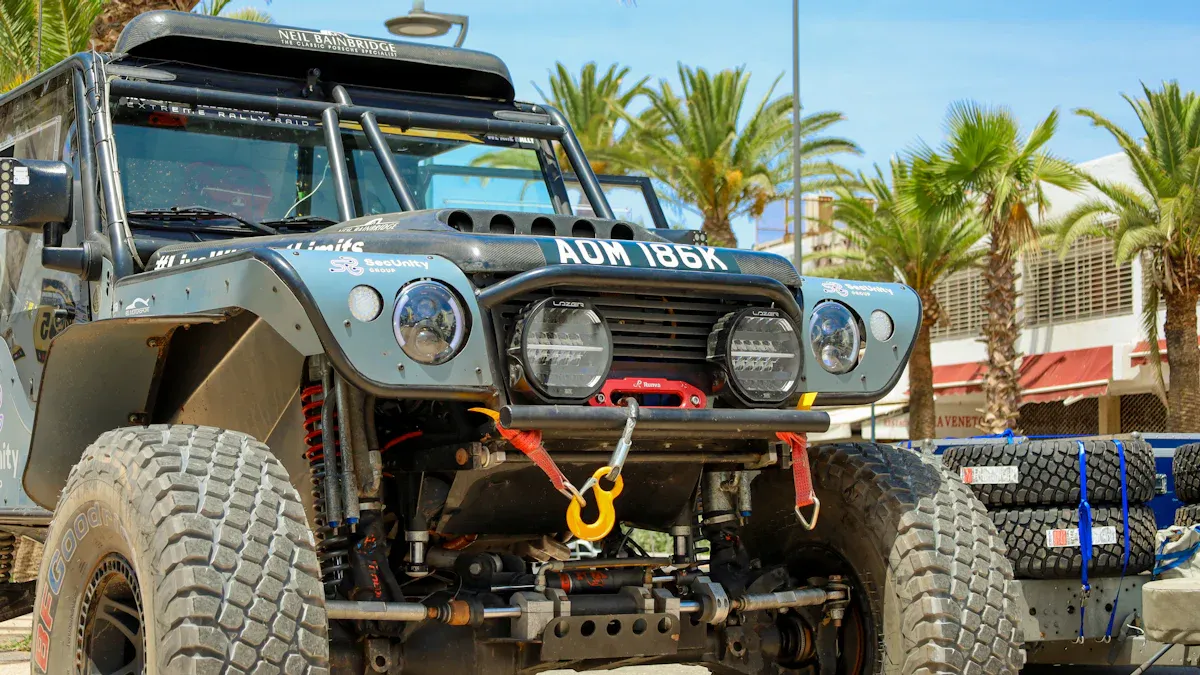
When I inspect my vehicle, I always look for visible damage on the skid plate. This damage can indicate that a replacement is necessary. Here are some common types of visible damage I often encounter:
-
Impact Damage: I frequently see dents and cracks from hitting obstacles like potholes or stones. This type of damage is the most common and can compromise the skid plate's effectiveness.
-
Rust Damage: If I own an older vehicle with a steel skid plate, I need to be cautious of rust. Rust can weaken the material over time, leading to potential breakage if left untreated.
-
Corrosion Damage: I’ve noticed that both steel and aluminum skid plates can suffer from corrosion. This gradual deterioration eats away at the material, making it crucial to address early.
To ensure my skid plate remains in good condition, I follow a few inspection tips:
- Inspect Quickly After Experiencing Impacts: After a hard impact, I check the underbody for any signs of damage to the skid plates.
- Inspect If You Feel a Dragging Skid Plate: If I notice vibrations or hear sounds of dragging, I immediately check the undercarriage for loose or damaged skid plates.
- Regular Inspections: I make it a habit to check the underbody every few days. This helps me catch any damage early before it escalates.
Environmental factors also play a significant role in the wear and tear of skid plates. Rough terrain and challenging conditions can lead to significant wear. Impacts from rocks, stumps, and uneven surfaces contribute to the deterioration of skid plates. The condition of the road surface affects tire wear, which in turn impacts the durability of the vehicle's undercarriage and protective components.
If I notice any visible damage, I don’t hesitate to consider a skid plate replacement. Ignoring these signs can lead to more severe issues down the line. Protecting my vehicle is essential, and a well-maintained skid plate is a key part of that protection.
Performance Issues Related to Skid Plate Replacement
When I notice performance issues with my vehicle, I often wonder if my skid plate is to blame. A damaged or missing skid plate can lead to several problems that affect how my vehicle handles on the road. Here are some performance issues I’ve encountered:
-
Noise and Vibration: A broken skid plate can get wedged against the engine and accessory belts. This situation creates annoying noises and can cause potential damage to these critical components.
-
Increased Risk of Damage: Without a functional skid plate, vital parts like the oil pan, transmission, and fuel tank become exposed. Road debris and obstacles can easily damage these components, leading to costly repairs.
-
Handling Problems: I’ve learned that a compromised skid plate can misalign steering and suspension components. This misalignment affects my vehicle's handling, making it less stable, especially on rough terrain.
-
Fuel Efficiency: I’ve noticed that a well-maintained skid plate can help protect my engine and improve fuel efficiency. However, if it’s damaged, it can lead to increased fuel consumption due to the added strain on the engine.
Ignoring these performance issues can lead to long-term consequences. For instance, neglecting a skid plate replacement may result in higher repair costs down the line. I’ve found that the potential savings from having a skid plate far outweigh the initial investment. A good skid plate enhances my vehicle's ability to withstand off-road conditions and protects exposed components from impacts.
Importance of Timely Skid Plate Replacement
I can’t stress enough how crucial it is to replace my skid plate on time. A well-maintained skid plate protects vital components like the engine and transmission from damage caused by rough terrain and debris. Here are some reasons why timely skid plate replacement matters:
-
Prevents Costly Repairs: I’ve learned that replacing a damaged skid plate can save me from expensive repairs. If I ignore the signs of wear, I risk damaging the undercarriage, which can lead to significant repair costs.
-
Ensures Vehicle Longevity: A functional skid plate helps my vehicle withstand harsh driving conditions. By replacing it promptly, I can keep my vehicle operational for years to come.
-
Enhances Resale Value: I’ve noticed that maintaining my vehicle, including timely skid plate replacement, can increase its resale value. Buyers appreciate a well-cared-for vehicle, and a good skid plate is part of that package.
Delaying the replacement of skid plates can lead to higher repair costs for damaged vehicle components. These plates protect critical parts from impacts and road hazards. Investing in skid plates can save me significant repair and replacement expenses in the long run.
To maintain the integrity of my skid plates, I follow these best practices:
- Conduct regular inspections to identify any damage early.
- Clean the skid plates regularly to prevent dirt and debris buildup.
- Ensure proper installation to maintain their effectiveness.
By taking these steps, I can avoid costly repairs and keep my vehicle in top shape. Timely skid plate replacement is not just about protection; it’s about ensuring my vehicle remains reliable and efficient.
In summary, I’ve learned to recognize several key signs that indicate a need for skid plate replacement. If I frequently drive on rough roads, encounter significant debris, or notice visible damage, I should take action. Here are the signs to watch for:
- Frequent driving on gravel or dirt roads.
- Engaging in off-roading or trail driving.
- Living in areas with harsh winters or poor road maintenance.
I encourage you to check your vehicle regularly. Follow these steps to ensure your skid plates are in good condition:
- Inspect quickly after experiencing impacts.
- Check if you feel a dragging skid plate.
- Make regular inspections a habit.
Taking these actions can help prevent costly repairs and keep my vehicle safe on the road.