





news
Metal Chassis in 2025 A Deep Dive into Their Electronic Benefits
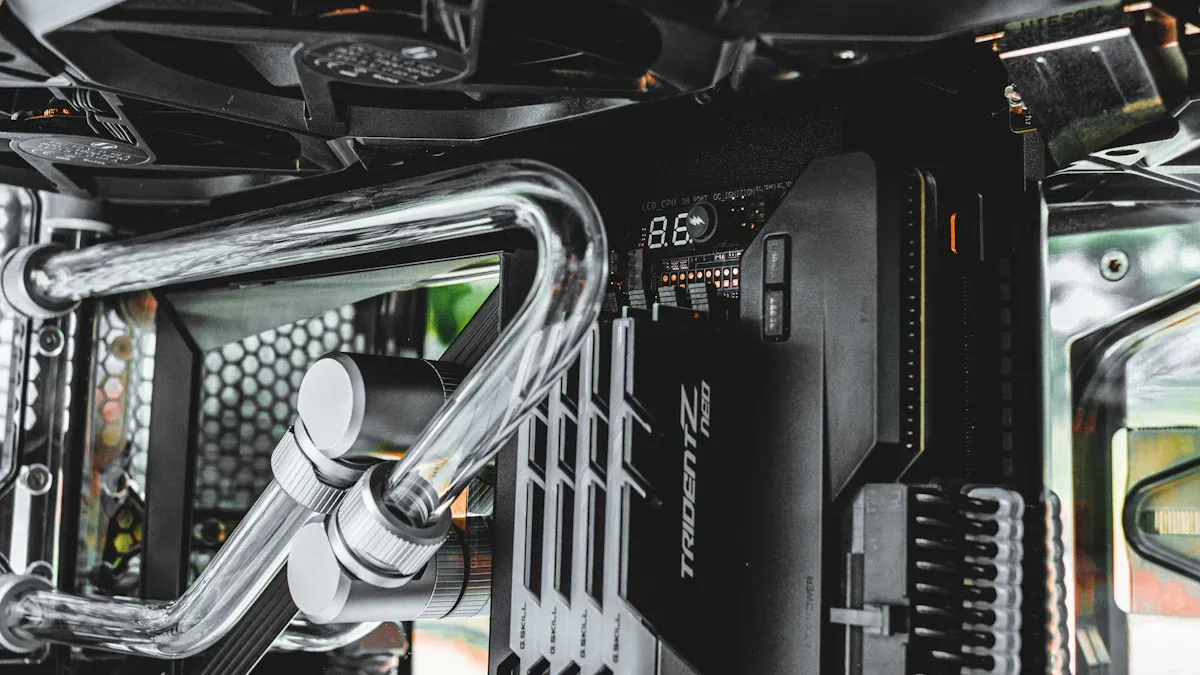
I believe metal chassis are truly indispensable for modern electronics. They provide critical electromagnetic shielding, essential thermal management, and robust structural integrity. Inadequate thermal management causes many device failures; temperature alone accounts for over 55% of them. Poor EMI shielding also leads to critical errors and system crashes. These foundational electronic advantages make chassis metal a cornerstone of reliable devices. The overall sheet metal chassis market, including electronics, projects a 3.9% Compound Annual Growth Rate from 2025 to 2033, underscoring its enduring value.
Key Takeaways
- Metal chassis protect electronics from outside interference, like a shield.
- They help keep devices cool, stopping them from getting too hot and breaking.
- Metal chassis make devices strong, so they do not get damaged easily.
- New metal designs will make devices lighter and smarter.
- Metal chassis are good for the planet because we can recycle them many times.
Unrivaled EMI Shielding with Chassis Metal
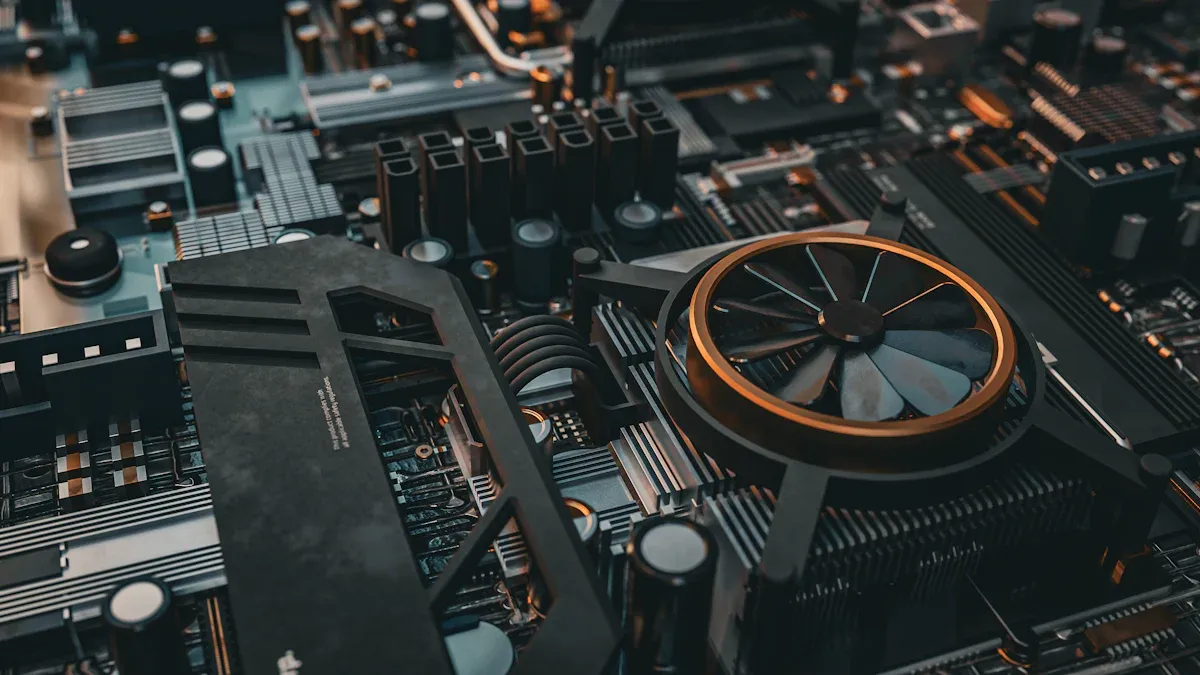
The Growing Threat of Electromagnetic Interference
I see electromagnetic interference (EMI) as a constant, growing threat to our electronic devices. It is everywhere. Think about all the signals around us. Phones, radios, TVs, and computers all create electromagnetic fields. Industrial equipment, especially older or non-compliant devices, adds to this noise. High-voltage power lines, lightning strikes, and even wireless devices like Wi-Fi routers and Bluetooth contribute to the problem. Switching power supplies in LED lights and microwave ovens also generate unwanted signals. Even natural events like solar flares and geomagnetic storms can cause powerful electromagnetic fields.
This interference can cause serious problems. Electronic systems can lose sensitivity. Signals become distorted. Communication systems might drop calls or misread data. In critical applications, EMI poses significant safety risks. Imagine navigation systems in airplanes failing or medical devices giving wrong readings. EMI can disrupt pacemakers or infusion pumps. In cars, it can make adaptive cruise control systems misinterpret distances. Products can even fail to pass important EMI tests, leading to delays and financial losses. I know we need strong protection against this invisible enemy.
How Metal Chassis Ensure Signal Integrity
This is where metal chassis truly shine. They are our first line of defense against EMI. A metal chassis works like a Faraday cage. It blocks electromagnetic fields from entering or leaving the device. We use specific metal materials for this. Tin-plated steel offers great strength and shields low-frequency interference. Copper alloys provide superior conductivity.
Maintaining a continuous conductive path is crucial. Any tiny gap, like a slot or seam, can act as a leak. We use conductive gaskets at seams and bond connectors properly. This creates a single, low-impedance path for stray currents. We also manage openings carefully. Vents, seams, and I/O ports are necessary. But they can act like small antennas. We design honeycomb vent structures or use many small holes instead of a few large ones. This keeps the shielding effective. Proper grounding is also key. It gives stray currents a safe path away from sensitive components. Finally, precision fabrication ensures everything fits perfectly. This includes accurate cutting and strong welds. It all works together to keep signals clean and clear inside the device.
Real-World Applications of Robust EMI Protection
I believe robust EMI protection from chassis metal is absolutely critical in many areas. In aerospace and defense, it protects communication systems, radar, and flight controls. A momentary signal lapse there could have terrible consequences. Medical devices like MRI machines and infusion pumps need interference-free signals for accurate results and patient safety. The automotive sector relies on it for infotainment, navigation, and collision avoidance sensors. Without it, these systems could malfunction. Even our everyday consumer electronics, like smartphones and laptops, benefit greatly. They are smaller and more powerful, relying heavily on wireless communication.
Industrial machinery and telecom infrastructure also need this protection for reliable operation. Railroad and mass transit systems are vulnerable to EMI from train controls and high-voltage systems. Military applications face threats from intentional electromagnetic interference and even E-bombs. Because of these risks, many industry standards and regulations mandate specific EMI shielding performance. The FCC in the U.S. and CE in Europe set strict limits. MIL-STD-461 sets aggressive thresholds for military platforms. CISPR and RTCA DO-160 dictate acceptable emission levels and shielding effectiveness. These regulations compel manufacturers to incorporate effective shielding. This is why I see chassis metal as an indispensable component for reliable electronics.
Advanced Thermal Management for Peak Performance
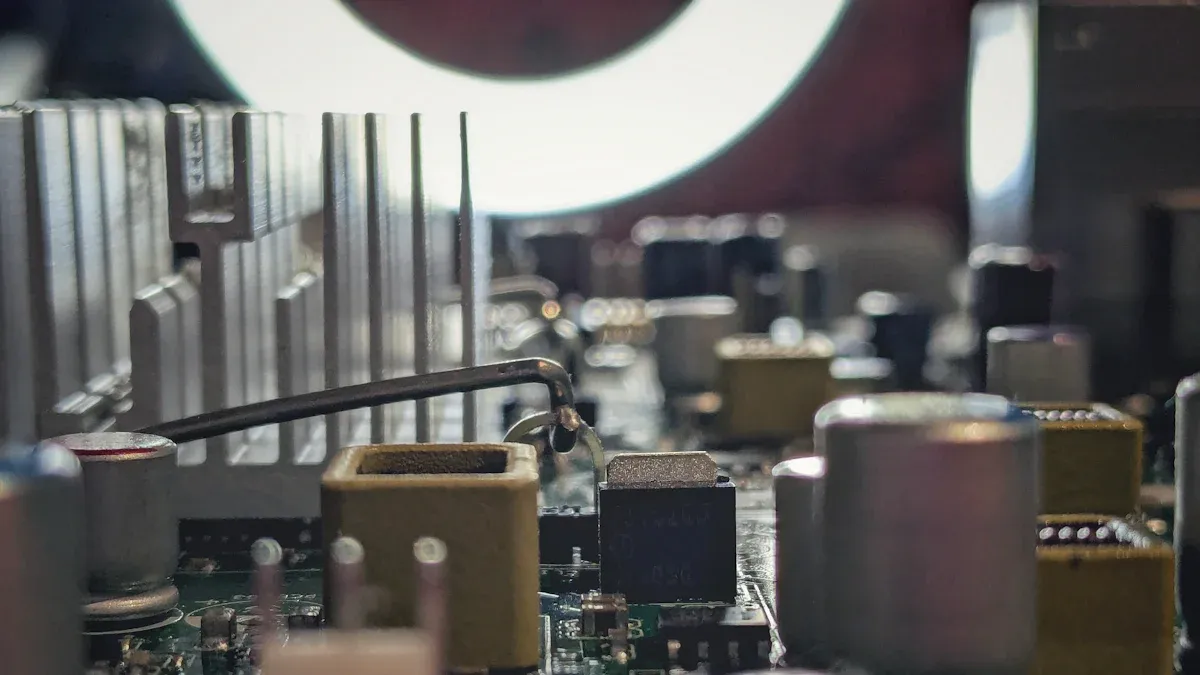
The Heat Challenge in Miniaturized Electronics
I know heat is a silent killer for electronics. As devices get smaller and more powerful, they generate more heat in a tiny space. This creates a huge challenge. Most critical electronic components, like integrated circuits (ICs), have a maximum operating temperature. This range typically falls between 85°C and 150°C. Some specialized ICs, used in tough places like aerospace or military applications, can handle even higher temperatures.
However, even within these limits, heat causes serious problems. I have seen how a small temperature increase can drastically shorten a component's life. For example, every 10°C rise above recommended operating levels can cut a component's lifespan in half. A study by the US Air Force showed that high temperatures cause over 50% of electronic equipment failures. Imagine an 18°F increase inside an electrical enclosure; it can reduce the reliability of electronic components by 50%. This is why managing heat is not just important, it is absolutely critical for device survival.
| Category | Temperature Range |
|---|---|
| Commercial | 0 to 70°C |
| Industrial | -40 to 85°C |
Metal Chassis as Efficient Heat Dissipators
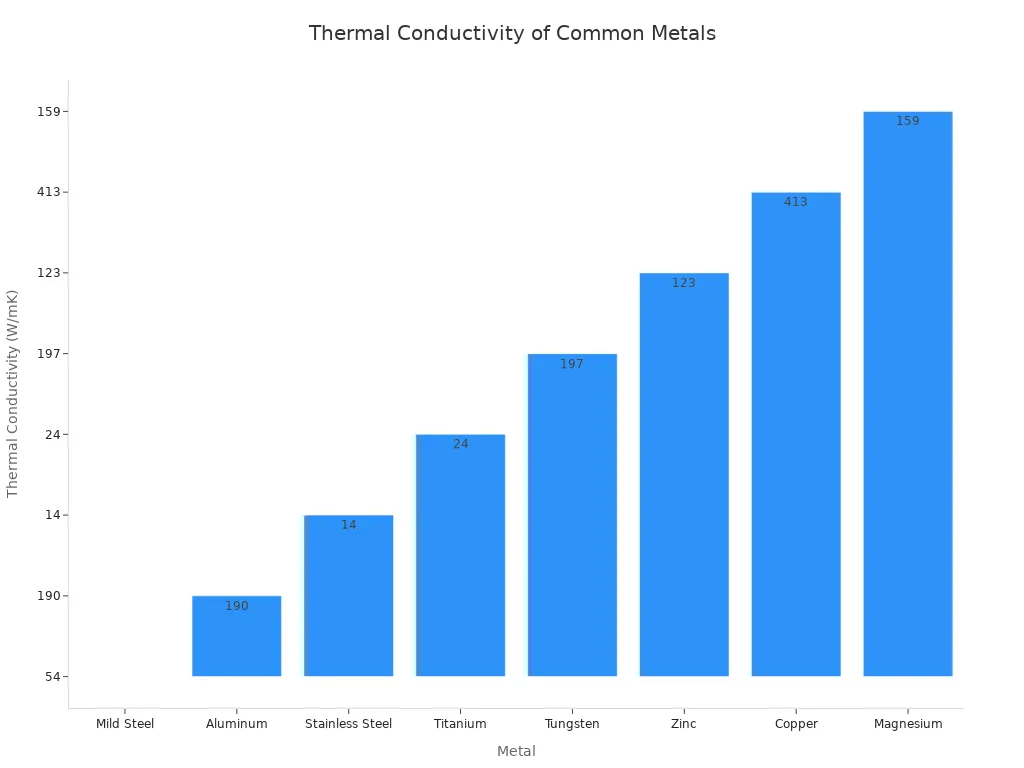
This is where metal chassis become indispensable. They are not just protective shells; they are active thermal managers. Metal chassis act like giant heat sinks, pulling heat away from sensitive internal components. Materials with high thermal conductivity are essential for quickly moving heat. Copper and aluminum are excellent examples. We use them widely in heat sinks and other thermal management systems because they transfer heat so well. Silver offers the highest thermal conductivity among metals, but its cost means we reserve it for very specialized, high-performance uses.
The thermal conductivity of metals varies greatly. Aluminum, for instance, conducts heat much better than steel, stainless steel, and zinc, even though it is lighter. Stainless steel, on the other hand, has low thermal conductivity. This makes it good for heat shields, where we want to block heat transfer. Copper and aluminum are my top choices for heat sinks because of their superior conductivity.
We also design chassis with special features to boost heat dissipation. Fins are a basic part of heat sinks. Their design—things like spacing, height, and shape—greatly affects how much heat they can transfer. Perforated fins, with their tiny holes, can transfer even more heat than regular fins. Inclined fins help spread thermal energy evenly and improve heat transfer rates. I also find that a staggered fin arrangement works better for heat dissipation than fins placed in a straight line. These design choices make metal chassis incredibly effective at keeping devices cool.
Enhancing Device Reliability and Longevity
Maintaining optimal operating temperatures offers huge long-term benefits. Electronics engineers strongly agree that integrating heat exchanger systems is vital. Effective temperature management is crucial for the durability and proper function of electronic systems. Manuela Loeblein pointed out that heat management is a critical issue for electronics in harsh environments. I believe proper temperature control reduces overheating risks. It also makes electronic assemblies more efficient overall.
Using temperature transfer devices significantly reduces the risk of material degradation from thermal stress. This ensures reliable operation even in challenging conditions. Research shows that overheating can cut the average lifespan of electronic components by up to 50%. This clearly highlights the need for optimal operating temperatures to boost reliability and extend operational lifetimes.
It is wise to be conservative in heatsink design, because transistor life decreases rapidly at operating temperatures near or above maximum.
Beyond just preventing failures, good thermal management offers many advantages: * Improved energy efficiency * Enhanced thermal management * Substantial cost savings * Notable environmental advantages * Extended equipment lifespan by reducing wear and tear on components, minimizing failure risk and expensive replacements.
For aging processes, we expect a thermal activation. This is similar to how LED lifetimes are predicted: a 10 K (or 10°C) increase in temperature halves the lifetime. Therefore, a 30 K lower temperature could extend the lifetime by about eight times! I am convinced that investing in advanced thermal management through metal chassis design is one of the best ways to ensure our electronics perform reliably for years to come.
Structural Integrity and Durability of Chassis Metal
Protecting Sensitive Internal Components
I believe a metal chassis is the ultimate guardian for sensitive electronic components. It provides a robust physical barrier. This barrier shields delicate internal parts from external impacts, drops, and crushing forces. The chassis itself offers structural support and rigidity. This solid foundation prevents flexing and bending. It ensures overall device stability. The chassis also acts as a platform. It distributes and absorbs impact forces. These forces come from acceleration, braking, and maneuvering. By dispersing these forces, the chassis minimizes stress on individual components. This reduces the likelihood of premature wear and tear. It enhances component stability. I know this protection is vital for the long-term health of any electronic device.
Vibration Damping and Component Stability
Vibration is another silent threat to electronics. I see metal chassis as crucial for vibration damping and component stability. Metal alloys are excellent for both structural support and vibration damping. They combine metal stiffness with damping properties. Key properties include high stiffness, strength, and durability against wear and fatigue. They also offer temperature stability. These alloys effectively dissipate energy. They convert vibrational energy into heat.
| Alloy Type | Damping Characteristics |
|---|---|
| Aluminum Alloys | Moderate vibration damping |
| Copper-based Alloys | Excellent vibration absorption |
| Stainless Steel | Good vibration control |
| Titanium | Good vibration damping capabilities |
| Nickel-based Alloys | Good vibration damping capabilities |
We use different alloys for specific needs. Copper-based alloys, for example, offer excellent vibration absorption. Chassis mounting mechanisms, like rubber mounts, are also critical. We characterize their mechanical impedance at high frequencies. This helps us understand resonance mechanisms. It prevents material degradation and failure. This directly enhances component durability and performance.
Ruggedization for Demanding Environments
I know electronics must survive in the toughest places. Metal chassis provide essential protection in demanding environments. Think about battlefields and factory floors. These places have water exposure, extreme temperatures, vibration, and corrosive substances. Materials like aluminum are popular for connector shells in defense and aerospace. They offer strength, lightweight properties, and electrical conductivity. For applications exposed to seawater, we use more resistant materials. Stainless steel and marine bronze are good examples.
Ruggedized metal chassis meet strict environmental standards. MIL-STD-810 is a key one. It includes extensive test methods. These ensure products can withstand extreme environments. I see these tests as crucial. They cover low pressure, high temperature, shock, vibration, and salt fog. Other standards include DO-160G for airborne equipment and MIL-DTL-901E for shipboard machinery. These standards ensure electronics perform reliably. They work in industrial control systems, marine electronics, and military vehicles. This is why I advocate for robust metal chassis in all critical applications.
Future Trends and Innovations in Metal Chassis Design
Lightweight Alloys and Advanced Manufacturing Techniques
I believe the future of metal chassis design is incredibly exciting. We are seeing amazing advancements in materials and how we make things. Lightweight alloys are changing the game. They offer strength without the bulk. Advanced manufacturing techniques, like additive manufacturing (AM), are also transforming our capabilities. I see AM significantly reducing weight in components. This improves fuel efficiency and performance, especially for high-performance vehicles.
AM gives us incredible design freedom. We can create complex, optimized structures. Think about internal cooling channels or lattice frameworks. These were impossible with old methods. Customization is also a huge benefit. We can produce low-volume, on-demand parts without needing expensive tools. This is perfect for special edition products or motorsport applications. AM also boosts component performance. It uses advanced materials and optimized designs. This leads to superior strength, thermal resistance, and fatigue durability. Automotive companies are already using metal AM for chassis and powertrain parts. Porsche, for example, uses 3D-printed E-drive housings. Bugatti's Tourbillon hypercar even features a 3D-printed chassis and suspension. This shows me the power of these new methods.
Integrated Functionality: Antennas and Sensors
I am convinced that future metal chassis will do more than just protect. They will become active parts of the electronic system. We are already seeing integrated functionality. Antennas and sensors are becoming part of the chassis itself. For example, the Antenova REFLECTOR range uses a special layer to isolate antenna signals. These antennas work great on various metal chassis applications. I see them on bicycle frames, meters, light fixtures, and gauges.
Multilayer antennas can mount on the outside of metal enclosures. They perform almost as well as embedded antennas in open space. They also block noise effectively. This approach is often more cost-effective than modifying the enclosure. It also gives better performance. Their small size makes them easy to hide. We are also embedding sensors directly into the chassis metal. Fibre-Optic Sensors (FOSs) and Piezoelectric Sensors (PSs) are already used in metal components. These sensors monitor stress, strain, and temperature changes. PSs can even monitor corrosive actions a metal structure faces during its life. This makes our devices smarter and more aware of their environment.
Sustainability and Recyclability of Metal Chassis
I think sustainability is a key factor for future designs. We must consider the environmental impact of our materials. Metal chassis offer significant advantages here. Metals are infinitely recyclable. We can reuse them without losing quality. This reduces the need for new raw materials. It also lowers waste.
Some studies suggest plastic products can have a lower greenhouse gas (GHG) emission impact in certain applications. This is often because they are less energy-intensive to produce or lighter for transport. However, metal's recyclability is a powerful counterpoint. While producing metal can be resource-intensive, its ability to be recycled repeatedly makes it a strong choice for a circular economy. Incinerating non-recycled metal causes significant CO2 emissions. Therefore, I believe focusing on robust recycling programs for metal chassis is crucial. This ensures we maximize their environmental benefits.
I firmly believe metal chassis are indispensable. They provide superior EMI shielding, advanced thermal management, and robust structural integrity. These benefits are critical for reliable electronics. As technology evolves, I see their value only growing. Metal chassis remain vital for high-performance devices. Their innovation continues, ensuring they meet future demands. I am convinced they will always be a cornerstone of electronic design.