





news
How Automotive Metal Stamping Drives Electric Vehicle Innovation

Automotive metal stamping plays a critical role in enhancing electric vehicle design and production. This manufacturing process allows for the creation of lightweight and durable components, which are essential for improving the efficiency of EVs. As I explore the growth of electric vehicles globally, I see that the demand for uniquely designed parts is driving advancements in stamping technology.
- Automotive metal stamping enables manufacturers to produce complex shapes and structures quickly.
- This method is cost-effective and supports high-volume production, ensuring that every part meets strict specifications.
By embracing these innovations, the electric vehicle industry can continue to evolve and thrive.
Key Takeaways
- Automotive metal stamping creates lightweight and durable components, enhancing electric vehicle efficiency.
- Using lightweight metals like aluminum and magnesium can significantly improve energy efficiency in EVs.
- The stamping process allows for the production of complex shapes, essential for battery housings and other components.
- Automotive metal stamping boosts production speed and reduces costs, making it a key factor in EV manufacturing.
- Innovations in automation and smart manufacturing techniques are transforming the stamping process, leading to better quality and sustainability.
Importance of Automotive Metal Stamping in EV Design
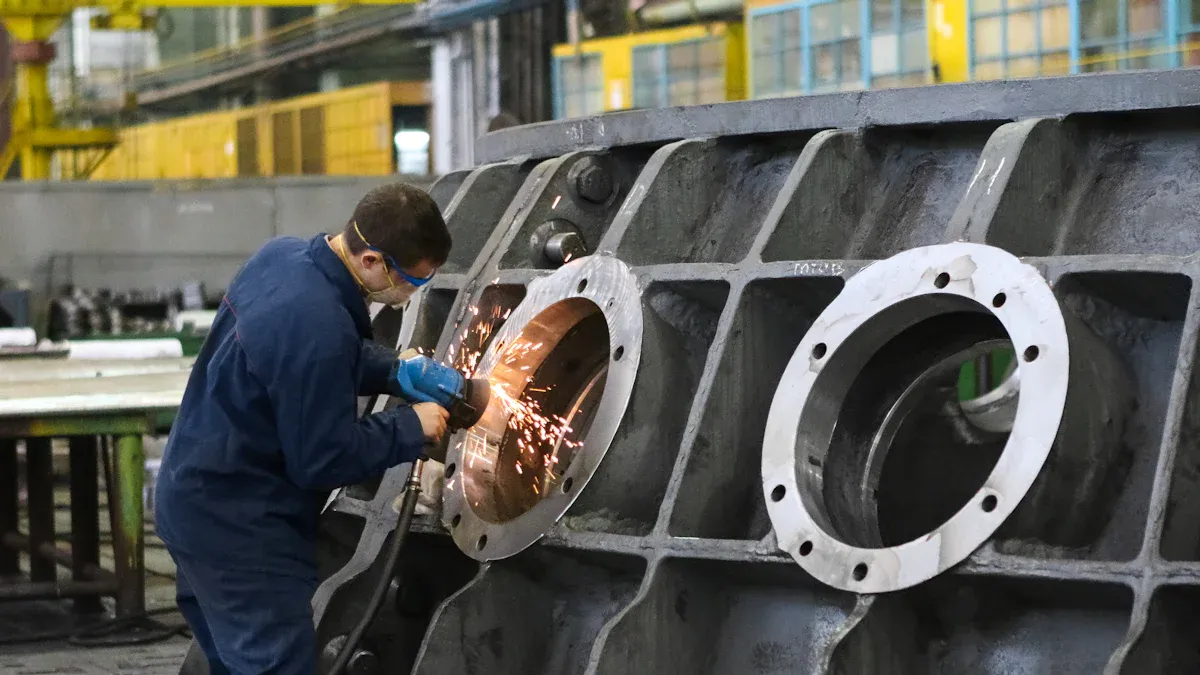
When I think about the design of electric vehicles, lightweight materials immediately come to mind. Automotive metal stamping plays a vital role in this aspect. By using lightweight metals, manufacturers can significantly enhance the performance and efficiency of EVs.
Lightweight Materials
Aluminum and magnesium are two of the most common lightweight metals used in automotive metal stamping for electric vehicles. Here’s a quick overview of their characteristics:
| Metal Type | Characteristics |
|---|---|
| Aluminum | Lightweight, increases fuel efficiency, attractive finish, available in specialized alloys for enhanced strength and durability |
| Magnesium | Lightweight, high strength, stiffness, and impact resistance, commonly used in body and chassis components |
Using these materials can lead to remarkable improvements in energy efficiency. For instance, a 10% reduction in vehicle weight can yield a 6%-8% improvement in fuel economy. Imagine replacing traditional materials with lightweight options, which can reduce a vehicle's body and chassis weight by up to 50%. This change could save over 5 billion gallons of fuel annually by 2030 if applied to a quarter of the U.S. fleet.
I find it fascinating that reducing a car's weight by just 100 kg can enhance energy efficiency by 3.5% or save energy by 15 kJ/km. This highlights the significant impact lightweight materials have on electric vehicle performance.
Complex Shapes and Structures
Automotive metal stamping also enables the production of intricate components required for electric vehicle battery housings. The precision offered by this manufacturing process is essential for creating battery enclosures, which are crucial for the thermal management of electric vehicle battery packs.
Moreover, advanced automation and robotics in manufacturing electric vehicle battery modules utilize metal stamping for precision components. The demand for high accuracy in battery components and electrical connectors drives advancements in precision automotive stamping. This capability allows manufacturers to create complex shapes and structures that meet the unique requirements of electric vehicles.
In my experience, the combination of lightweight materials and the ability to produce complex shapes through automotive metal stamping not only enhances the design of electric vehicles but also paves the way for innovative solutions in the industry.
Role of Automotive Metal Stamping in Production Efficiency
Automotive metal stamping significantly enhances production efficiency in electric vehicle manufacturing. I have seen firsthand how this process streamlines operations, allowing manufacturers to produce high-quality components at an impressive speed.
Speed of Production
One of the standout features of automotive metal stamping is its ability to accelerate production timelines. The in-die assembly process allows for simultaneous production and assembly of components. This innovation dramatically reduces total production time. Here are some key benefits I’ve observed:
- Reduces complexity in vehicle structures.
- Enables the creation of larger parts with fewer components.
- Helps in reducing costs, vehicle weight, cycle time in bodyshops, and CO2 emissions during production.
In my experience, the use of progressive die stamping has improved part accuracy by 34% compared to traditional methods. This precision not only enhances the quality of the components but also minimizes the need for rework, further speeding up the overall production process. Additionally, the adoption of servo presses in large-scale facilities has increased, replacing traditional mechanical presses in over 28% of cases. This shift leads to better energy efficiency and reduced labor costs, making the entire operation more effective.
Cost-Effectiveness
Cost-effectiveness is another critical advantage of automotive metal stamping. The process minimizes material waste by utilizing as much of the workpiece material as possible. This efficiency translates into significant savings for manufacturers. Here are some insights into how automotive metal stamping achieves cost-effectiveness:
- The majority of raw material is utilized in component manufacturing, leading to less waste.
- Metal stamping dies are robust and affordable to maintain, resulting in lower production costs.
- EV stamping uses sheet metal, which maximizes the use of raw materials.
By reducing waste and optimizing material usage, manufacturers can lower their overall production costs. This efficiency allows them to invest more in research and development, ultimately driving innovation in electric vehicle technology.
Advancements in Automotive Metal Stamping Technology
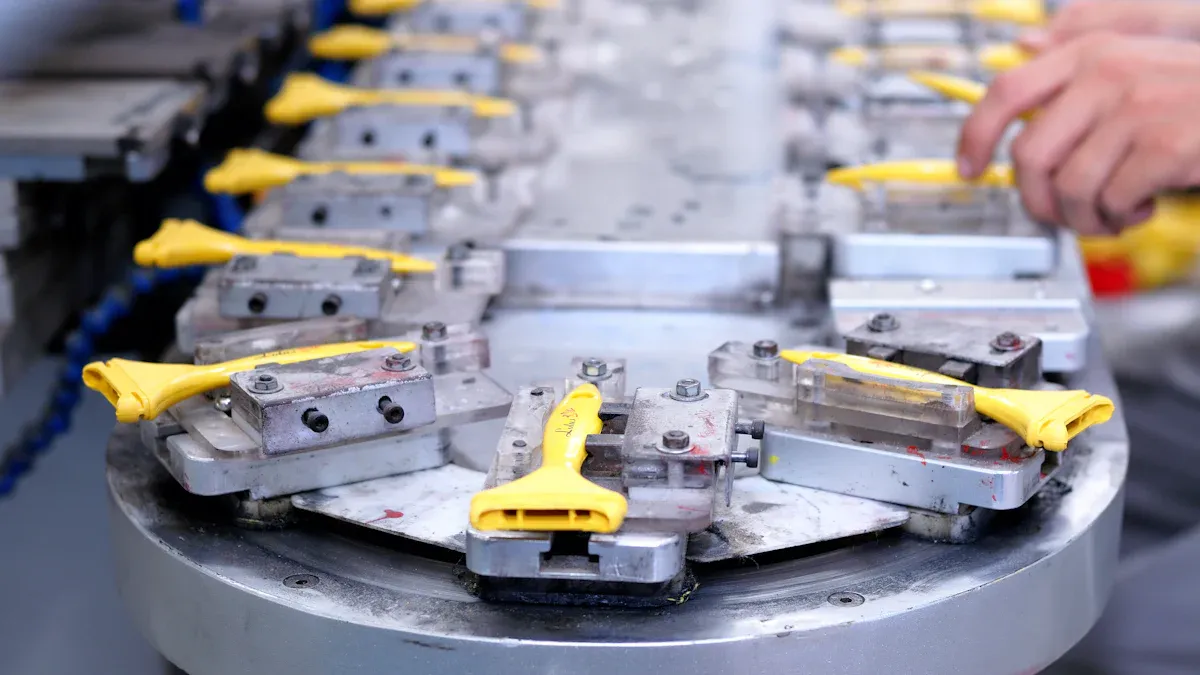
As I delve into the advancements in automotive metal stamping technology, I can't help but marvel at how automation and robotics have transformed the industry. These innovations have not only improved efficiency but also enhanced the precision of components used in electric vehicles.
Automation and Robotics
The integration of robotics in automotive metal stamping has revolutionized production lines. I have witnessed firsthand how robotic systems enhance precision and reduce waste. This improvement is crucial for producing high-quality stamped metal parts in electric vehicles. Here are some key benefits I’ve observed:
- Enhanced Precision: Robotics ensures that each stamped part meets strict automotive standards.
- Consistent Quality Control: Automated systems maintain uniformity, minimizing defects.
- Efficient Handling: Robots manage heavy metal sheets, improving safety and reducing labor costs.
Moreover, the use of robotics in processes like painting and welding guarantees strong joints and a flawless finish. This consistency contributes to the overall structural integrity of electric vehicles, making them safer and more reliable.
Smart Manufacturing Techniques
Smart manufacturing techniques are another exciting area of advancement in automotive metal stamping. I find it fascinating how these technologies leverage data and connectivity to optimize production. Here are some key features that stand out:
- Predictive Maintenance: IoT devices forecast maintenance needs, minimizing downtime.
- AI-Powered Quality Checks: Artificial intelligence detects defects in stamped parts faster and more accurately than human inspectors.
- Robot-Assisted Stamping: Robots improve precision and safety by handling and positioning heavy materials.
These advancements not only streamline operations but also align with sustainability goals. By reducing waste and promoting recyclability, smart manufacturing techniques support the industry's shift towards greener practices. As I reflect on these innovations, I see a bright future for automotive metal stamping in the electric vehicle sector.
Case Studies of Successful EV Manufacturers Using Automotive Metal Stamping
Tesla's Use of Metal Stamping
Tesla has truly revolutionized the electric vehicle industry with its innovative use of automotive metal stamping. I find it impressive how they have consolidated components to streamline production. For instance, large castings have enabled Tesla to reduce the number of stamped metal parts. This approach not only simplifies manufacturing but also enhances efficiency.
"Gigacasting involves the use of massive casting machines, or gigapresses, to create large single pieces of vehicle underbodies. This innovative technique is designed to enhance efficiency, reduce reliance on traditional assembly lines, and address the challenges posed by legacy manufacturing processes in the context of battery-powered vehicles."
Tesla's commitment to lean manufacturing principles shines through in their stamping process. They achieve improved material utilization rates of around 80%, which indicates minimal waste. Here’s a quick overview of the benefits they’ve realized:
| Benefit | Description |
|---|---|
| Improved Material Utilization | Material utilization rates hover around 80%, indicating minimal waste in the stamping process. |
| Enhanced Structural Integrity | Thinner stainless steel gauges (1.8mm for doors) improve performance without sacrificing strength. |
| Streamlined Manufacturing | Integrated material flow minimizes motion waste and maximizes uptime with fewer part types. |
Rivian's Innovative Approaches
Rivian has also made significant strides in automotive metal stamping. Their innovative techniques focus on simplifying manufacturing while enhancing vehicle performance. I admire how they utilize mega castings to replace over 300 joints with just three castings. This not only reduces complexity but also accelerates production speed.
Here’s a summary of Rivian's key features in metal stamping:
| Feature | Description |
|---|---|
| Complexity | Reduces the number of individual parts needed, simplifying manufacturing. |
| Weight Savings | Lighter structures due to fewer components. |
| Structural Integrity | Enhances strength and durability of the vehicle. |
| Cost Efficiency | Lowers production costs by minimizing parts and assembly time. |
| Production Speed | Accelerates manufacturing processes. |
| Design Freedom | Allows for more innovative designs with fewer constraints. |
| Sustainability | Contributes to eco-friendly manufacturing practices. |
Rivian's use of high-pressure die casting (HPDC) for large structural components exemplifies their commitment to efficiency. I believe their approach not only simplifies assembly but also reduces traditional bottlenecks, paving the way for a more sustainable future in electric vehicle manufacturing.
In my view, both Tesla and Rivian showcase how automotive metal stamping can drive innovation and efficiency in the electric vehicle sector. Their practices inspire other manufacturers to adopt similar strategies, ultimately benefiting the entire industry.
Automotive metal stamping significantly enhances electric vehicle (EV) manufacturing. It improves design through lightweight materials and complex shapes. This process boosts production efficiency, allowing manufacturers to create high-quality components quickly and cost-effectively.
Looking ahead, the automotive stamping market is projected to grow to USD 20 billion by 2035, driven by the rise in EV production. Key trends include adopting advanced stamping techniques and lightweight materials. These innovations will play a crucial role in meeting global EV demand and environmental goals.
I believe that as we embrace these advancements, we will see a more sustainable future for electric vehicles, benefiting both manufacturers and consumers alike. ?