





news
Deep Drawing: The Surprising Solution for Cost-Effective Production
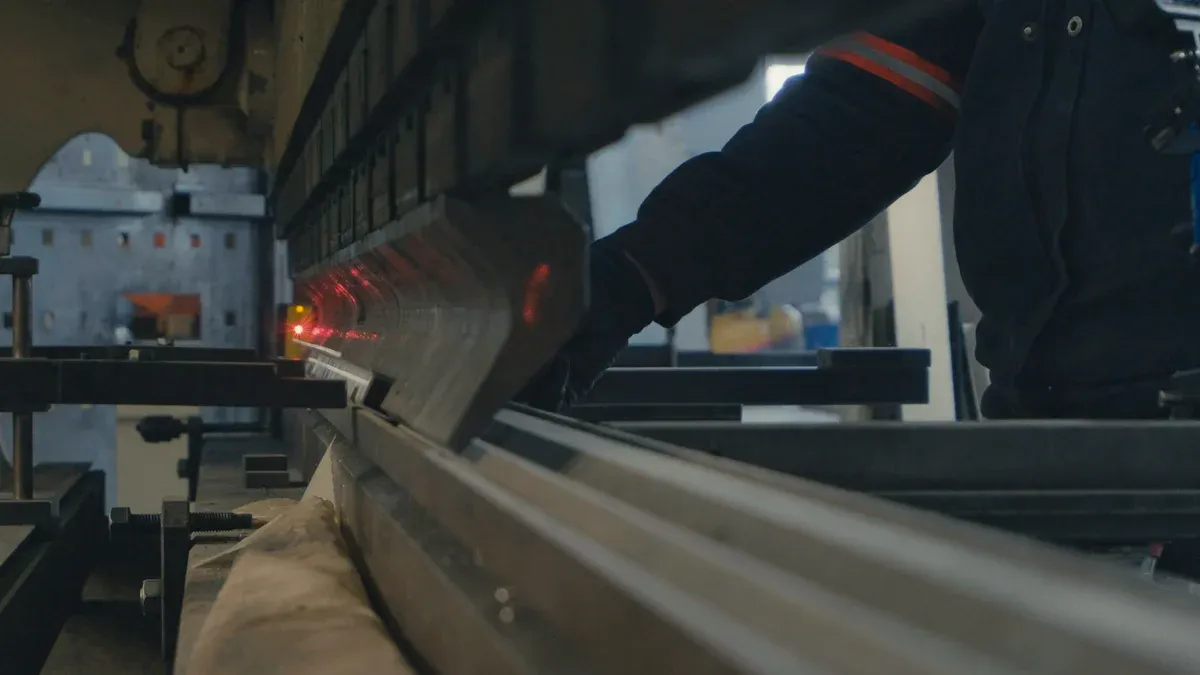
Deep drawing stands out as a game-changer in manufacturing. I find it remarkable how this method reduces material waste and labor costs. By utilizing deep drawing, companies can produce high-quality parts with minimal resources. This efficiency not only saves money but also promotes sustainability in production processes. I believe adopting deep drawing can lead to significant advantages for businesses looking to optimize their manufacturing methods and enhance profitability.
Key Takeaways
- Deep drawing reduces material waste, making it a cost-effective choice for manufacturers. This method allows companies to save money while promoting sustainability.
- The deep drawing process is efficient, leading to lower labor costs. Once tooling is set up, production cycles are quick, minimizing downtime.
- Deep drawing is versatile and can create complex shapes for various industries, including automotive, aerospace, and medical. This adaptability enhances innovation in manufacturing.
- Compared to other methods, deep drawing offers superior surface finish and structural integrity. It operates at lower temperatures, reducing energy consumption and waste.
- Adopting deep drawing can transform manufacturing processes, leading to significant cost savings and improved product quality. Embrace this method to enhance your production capabilities.
Overview of Deep Drawing
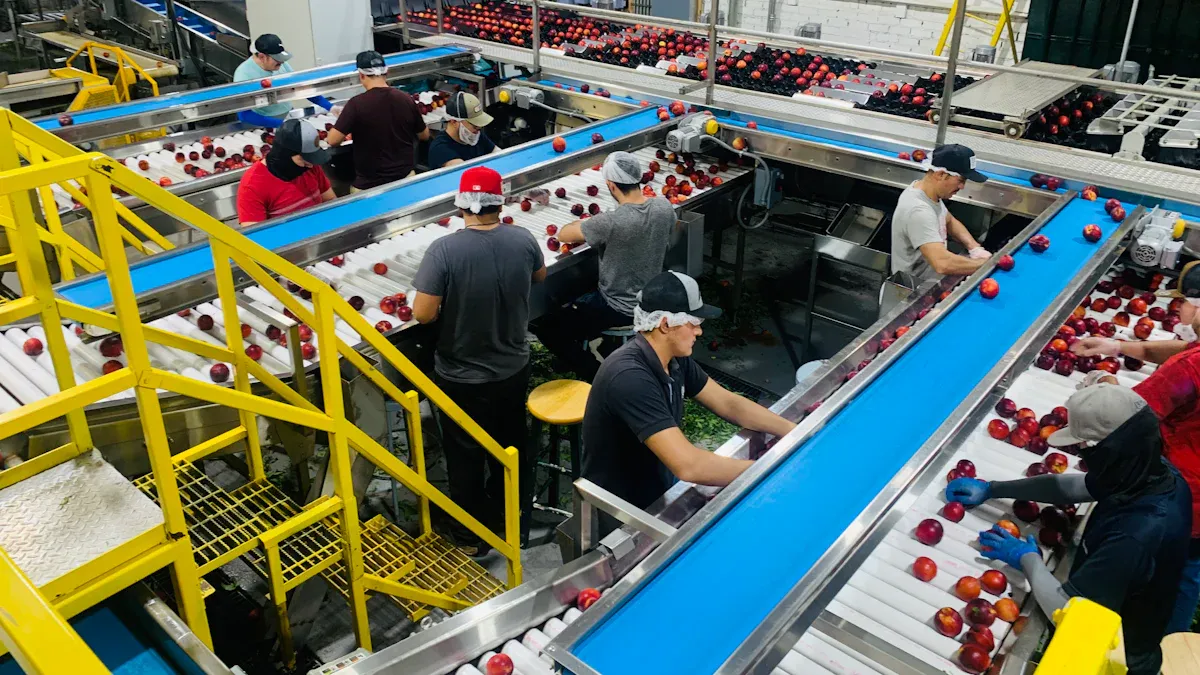
Definition of Deep Drawing
Deep drawing is a manufacturing process that transforms flat metal sheets into three-dimensional shapes. I find this method fascinating because it allows for the creation of complex parts with minimal waste. In deep drawing, a metal blank is placed in a die, and a punch presses down to form the desired shape. This technique is widely used in various industries, including automotive and aerospace, due to its efficiency and effectiveness.
Basic Process of Deep Drawing
The deep drawing process consists of several key steps that ensure precision and quality. Here’s how it typically unfolds:
- Planning the Part Design: I start by determining the required dies and punches based on the product's specifications.
- Selecting the Right Material: After finalizing the design, I choose the appropriate material based on the product requirements.
- Performing the Stamping Operation: The metal blank is then formed into the desired shape through a series of draws or reductions.
The process involves placing the workpiece onto the die, introducing a blank-holder to prevent deformation, and then closing the blank-holder to control the sliding of the workpiece. Finally, the punch moves down to deform the workpiece into its final shape. This systematic approach allows for high-quality production while minimizing waste.
I appreciate how advancements in technology have improved the deep drawing process. For instance, understanding the relationships between material properties and process parameters has become crucial. This knowledge helps in achieving better quality and efficiency in production.
By embracing deep drawing, manufacturers can not only save costs but also enhance their production capabilities. I believe this method is a smart choice for businesses aiming to thrive in today's competitive market.
Advantages of Deep Drawing

Material Efficiency in Deep Drawing
One of the most compelling advantages of deep drawing is its material efficiency. I find it impressive that this method utilizes a single sheet of metal to create the final product. This significantly reduces material waste compared to other forming methods. In my experience, companies that adopt deep drawing often see a marked decrease in costs associated with raw materials.
Tip: By minimizing waste, deep drawing not only saves money but also contributes to more sustainable manufacturing practices.
To illustrate the types of materials that work best in deep drawing, I’ve compiled a table below:
| Material | Advantages | Typical Applications |
|---|---|---|
| Low Carbon Steel | High ductility, cost-effective, good surface finish | Automotive parts, appliances, cans |
| Stainless Steel | Corrosion resistance, strength, hygienic surface | Food containers, medical devices, sinks |
| Aluminum Alloys | Lightweight, corrosion resistance, good formability | Packaging, automotive, electronics |
| Copper & Brass | Electrical conductivity, malleability, aesthetic appeal | Electrical parts, decorative items, plumbing |
Labor Cost Reduction through Deep Drawing
Labor costs can be a significant burden for manufacturers. I have seen firsthand how deep drawing can lead to substantial labor savings. The process is efficient and allows for quick production cycles. Once the tooling and dies are established, manufacturers experience minimal downtime. This efficiency translates into lower labor costs, which is a major benefit for any business.
In various industries, companies have reported significant labor savings due to the implementation of deep drawing. Here’s a table showcasing some of these industries and their applications:
| Industry | Applications |
|---|---|
| Automotive | Production of parts such as fuel tanks, mufflers, and various engine components. |
| Aerospace | Manufacturing of aircraft casings, engine components, and other critical parts. |
| Medical | Creation of surgical instruments, medical equipment casings, and implantable components. |
| Electronic Products | Production of battery casings, metal casings of electronic devices, and connectors. |
Versatility of Deep Drawing Applications
The versatility of deep drawing is another reason I advocate for its use in manufacturing. This method can produce a wide range of complex shapes, making it suitable for various industries. I appreciate how deep drawing can create deep, cup-shaped components, which are often challenging to achieve with other techniques.
Here’s a quick overview of the common applications of deep drawing across different sectors:
| Industry | Common Applications |
|---|---|
| Automotive | Fuel tanks, body panels, airbag housings |
| Consumer Goods | Kitchen sinks, cookware, appliance housings |
| Electronics | Enclosures, battery cases, connectors |
| Medical Devices | Surgical instrument housings, containers |
| Industrial Equipment | Pump housings, filters, pressure vessels |
I find it fascinating that deep drawing is extensively utilized in the automotive industry for producing various parts and components. It also finds applications in the medical sector for manufacturing devices such as syringes and pacemakers. The ability to adapt to different materials and applications makes deep drawing a standout choice for manufacturers looking to innovate.
Comparison of Deep Drawing with Other Manufacturing Methods
Deep Drawing vs. Stamping
When I compare deep drawing with stamping, I notice distinct differences in production speed and cost considerations. Deep drawing excels in high-volume production, allowing manufacturers to produce large quantities quickly. In contrast, stamping is often faster for smaller production runs. Here’s a quick overview of how these two methods stack up:
| Process | Production Speed | Cost Consideration | Suitable For |
|---|---|---|---|
| Deep Drawing | High speed for large volumes | Higher setup costs, ideal for mass production | High volume production |
| Stamping | Faster for smaller runs | Lower costs, suitable for small batches | Small batch production |
I find it interesting that while deep drawing can be more cost-prohibitive for small batches, it becomes more economical as production scales up. The initial tooling and dies represent a significant expense, but the per-unit cost decreases with higher volumes. This efficiency makes deep drawing a smart choice for businesses focused on mass production.
Tip: If your production needs lean towards high volumes, deep drawing may be the more cost-effective option in the long run.
Deep Drawing vs. Machining
The comparison between deep drawing and machining reveals several key differences, particularly in quality and energy consumption. I have observed that deep drawing often results in products with superior surface finish and structural integrity. The process maintains tight tolerances, ensuring consistent dimensions in the final product. This level of precision is crucial for industries that demand high-quality components.
In terms of energy consumption, deep drawing operates at lower temperatures and primarily uses mechanical force. This leads to reduced energy consumption compared to machining processes, which tend to generate considerable waste and have slower production speeds. Here’s a quick comparison:
| Process | Energy Consumption | Carbon Footprint | Production Speed |
|---|---|---|---|
| Deep Drawing | Lower | Smaller | Faster |
| Machining | Higher | Larger | Slower |
I appreciate how deep drawing not only enhances material efficiency but also contributes to sustainability. The process produces less material waste compared to machining or casting, as it reshapes rather than removes material. This characteristic allows for the production of complex shapes with high precision, making deep drawing an environmentally friendly choice.
Note: The deep drawn products, such as cups, pans, and lids, are known for their high quality and extremely accurate tolerances. This indicates that deep drawing can produce finished products with superior structural integrity compared to machining.
Case Studies of Deep Drawing Success
I find it inspiring to see how various companies have successfully implemented deep drawing in their manufacturing processes. These case studies highlight the tangible benefits of this method.
Company A: Implementation Success
Company A, located in Spital am Pyhrn, specializes in deep drawing metal parts for the automotive industry. They faced challenges during their transition to deep drawing, particularly with cleaning chlorinated oils and the limitations of aqueous cleaning systems. To overcome these hurdles, they invested in advanced cleaning technology that utilized modified alcohol solvents. This investment ensured process stability and efficiency, leading to improved productivity and on-time delivery.
Here’s a quick overview of Company A's key details:
- Company: Mark Metallwarenfabrik GmbH
- Specialization: Deep drawing metal parts for automotive and supplier industries
- Key Products: Sensor housings, threaded sleeves, headlight end pieces
- Implementation: PROXIA MES software for real-time production data
Company B: Cost Savings Achieved
Company B optimized several processes using deep drawing, which led to significant cost savings. They focused on minimizing ear formation and maintaining consistent wall thickness in their products. The following table summarizes the optimal input parameters they used:
| Target Function | Optimal Input Parameters (x1, x2, x3) | Description |
|---|---|---|
| Earing Ratio | (27.38, 10, 22) | Minimizes ear formation in the drawn part, leading to a more uniform product and reduced post-processing costs. |
| Thinning Ratio | (26.55, 10, 22) | Maintains consistent wall thickness, minimizing the risk of failure during the deep drawing process. |
Company C: Industry Impact
The impact of deep drawing extends beyond individual companies. It has transformed entire sectors, particularly in automotive and household appliances. For instance, deep drawing is widely used to produce fuel tanks, washing machine drums, and refrigerator panels. These components are known for their durability, precision, and aesthetic appeal.
| Sector | Example Components | Key Features |
|---|---|---|
| Automotive | Fuel tanks, chassis components, engine covers | High quality, on-time delivery |
| Household Appliances | Washing machine drums, refrigerator panels, microwaves | Durability, precision, aesthetic appeal |
| Industrial Parts | Pressure vessels, electrical enclosures, HVAC components | Designed for harsh conditions, reliable performance |
I believe these case studies demonstrate the powerful advantages of deep drawing. Companies can achieve remarkable efficiency, cost savings, and product quality by adopting this method.
Deep drawing offers a surprising yet effective solution for modern manufacturing challenges. I find its cost-saving benefits remarkable. After the initial tooling investment, production costs remain low, leading to significant overall savings. The ability to manufacture parts quickly and efficiently in high volumes reduces per-unit costs.
Moreover, deep drawing supports a variety of shapes and sizes, making it versatile across industries like automotive, aerospace, and medical. This method allows for complex designs and utilizes various materials, such as stainless steel and aluminum. I believe adopting deep drawing can transform manufacturing processes and enhance profitability.
Tip: Embrace deep drawing to unlock efficiency and innovation in your production line!